


Every few months, a client asks me which tools I actually use. Not the long, generic list bloggers copy from each other. The real stack I rely on for daily client work.
Digital marketing tools save time and reveal data you cannot see manually. Picking the right ones matters more than picking the most popular ones.
Why Your Tool Stack Matters
The right digital marketing tools turn guesswork into decisions backed by data. The wrong digital marketing tools waste budget and create confusing reports nobody actually reads. Choose tools based on your actual workflow, not industry hype.
| Most agencies use between five and eight core tools consistently, not twenty. A focused stack with deep usage almost always beats a large stack with shallow usage across every tool. |
1. Keyword Research Tools
Strong keyword research drives every other part of your strategy. Look for tools that show search volume, keyword difficulty, and search intent together.
What to look for:
- Accurate, regularly updated search volume data
- Clear keyword difficulty scoring
- Competitor keyword gap analysis
- Question and long tail keyword suggestions
2. Technical SEO Crawlers
A good crawler finds broken links, duplicate content, and indexing issues fast. Run a full site crawl monthly, not just once a year during an audit.
These tools catch problems before they quietly damage rankings for months.
3. Rank Tracking Software
Rank tracking shows movement over time, not just a single snapshot. Track your priority keywords weekly and watch trends rather than reacting to daily fluctuations.
Features worth prioritizing:
- Local rank tracking by city or zip code
- Mobile versus desktop tracking
- Competitor rank comparison
- Historical trend graphs
4. Content Optimization Platforms
These tools analyze top-ranking content and suggest topics, headings, and terms your draft might be missing. Use them as a guide, not a strict rulebook. Real expertise still beats a pure scoring system.
5. Analytics and Reporting Tools
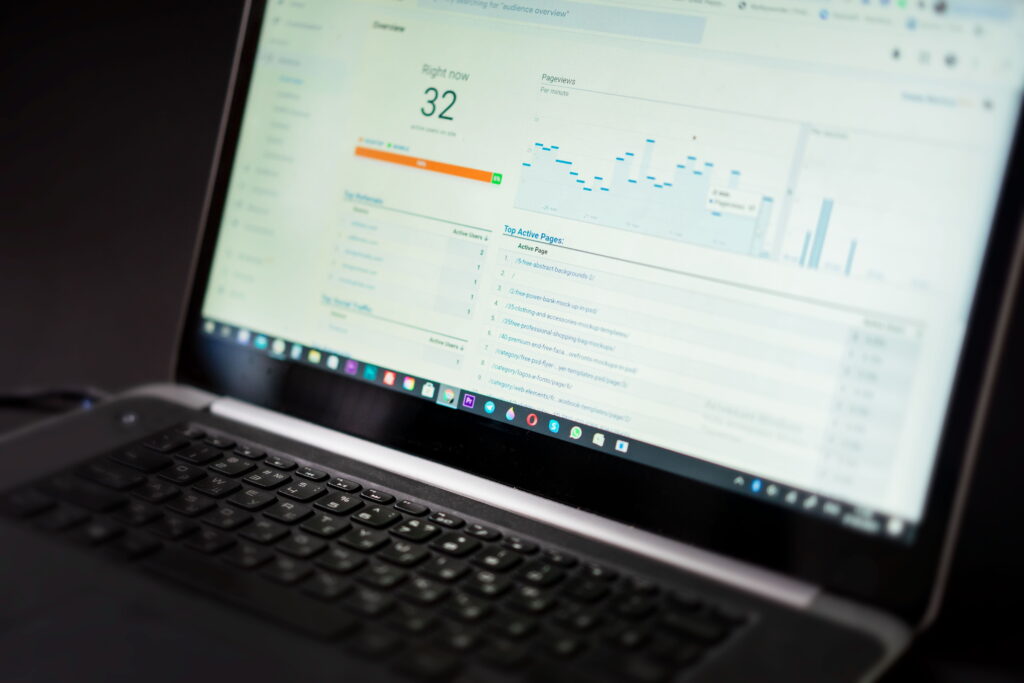
Google Analytics 4 remains essential for tracking user behavior and conversions. Pair it with a reporting tool that automates client dashboards so you spend less time building slides manually.
A solid reporting setup includes:
- Traffic source breakdown
- Conversion tracking by channel
- Keyword ranking trends
- Monthly comparison against previous periods
6. Social Media Scheduling Tools
Even SEO focused teams need consistent social distribution for content promotion. A scheduling tool keeps your posting calendar consistent without daily manual work.
How to Choose Tools on a Limited Budget
Start with free versions of major tools before upgrading. Google Search Console and Google Analytics already provide enormous value at zero cost. Add paid tools only once you hit a clear limitation in your workflow.
Frequently Asked Questions
What are the most important digital marketing tools for beginners?
Google Search Console matters most for beginners. It is free and shows exactly how Google sees your site, including errors and ranking data.
Should small businesses pay for premium SEO tools?
Not immediately. Start with free tools and add paid ones once you have a clear, repeated need that free tools cannot solve.
How many digital marketing tools should an agency use?
Most successful agencies rely on a focused stack of five to eight tools used deeply, rather than a large collection used only occasionally.
Do digital marketing tools replace strategy?
No. Tools provide data and automation. Strategy still requires human judgment to interpret that data and make smart decisions.
Written by Iqra
SEO Expert & Content Strategist | seobyiqra.com
Iqra is an SEO specialist who has ranked websites in competitive niches, including legal, healthcare, dental, and e-commerce. She writes from real campaign results, not textbook theory. Every strategy she shares has been tested on live websites with measurable outcomes.